
Living With the Tropics: What Nobody Told Me Before Moving to Cambodia
Cambodia is beautiful.
Palm trees. Warm water. Incredible sunsets. Tropical fruit growing seemingly everywhere. And here in Kep, a pace of life that can make you wonder why you spent so many years rushing around.
But I've learned something else since moving here.
The tropics don't care that you're on vacation.
They don't care that you're an American who isn't accustomed to the heat and humidity. They don't care that you've never seen a weaver ant, don't recognize the snake that just disappeared into the bushes, or have absolutely no idea what is screaming outside your bedroom window at two o'clock in the morning.
They don't care that you're dehydrated, sunburned, covered in mosquito bites or that your stomach wasn't prepared for whatever you ate the night before.
Cambodia is an extraordinary place to live.
But the environment demands respect.
And I've learned some of those lessons the hard way.
I Thought I Knew the Outdoors
I should probably establish something before going any further.
I'm not exactly new to the outdoors.
I've spent much of my life hiking, camping and exploring North America. I've always considered myself a pretty capable woodsman. I'm comfortable around wildlife. I've encountered venomous snakes before.
Then I moved to Southeast Asia.
Suddenly, I felt like I had to learn the outdoors all over again.
The basic principles haven't changed. Pay attention. Respect wildlife. Don't take unnecessary risks. Know your surroundings.
But the surroundings certainly changed.
Different snakes.
Different insects.
Different climate.
Different diseases.
Different rules.
I wasn't learning how to be an outdoorsman again.
I was learning how to be an outdoorsman here.
And there's a big difference.
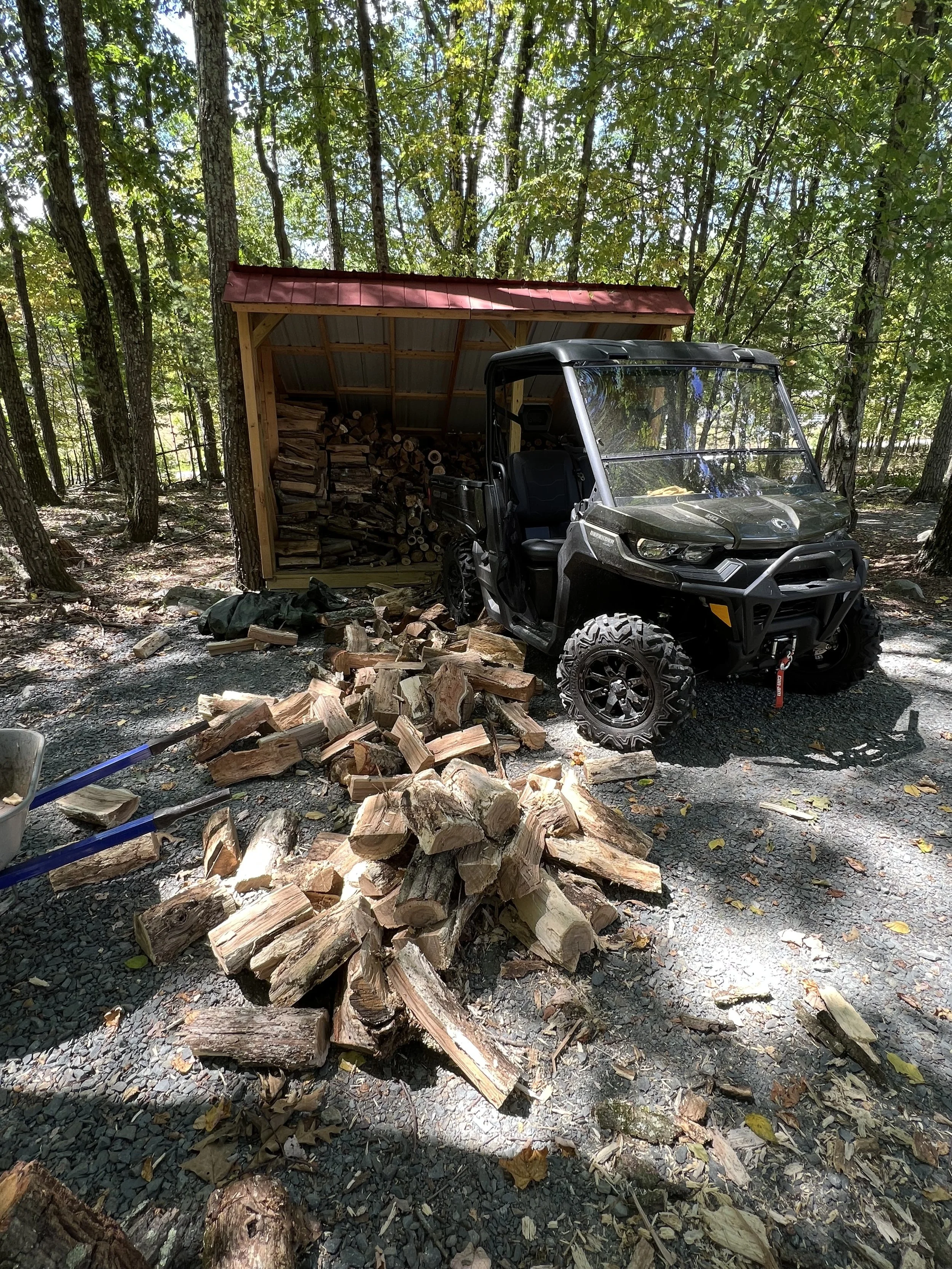
Back home in Pennsylvania, splitting firewood and spending time outdoors meant regularly encountering ticks, snakes, bears, and foxes..
A Walk in Kep National Park
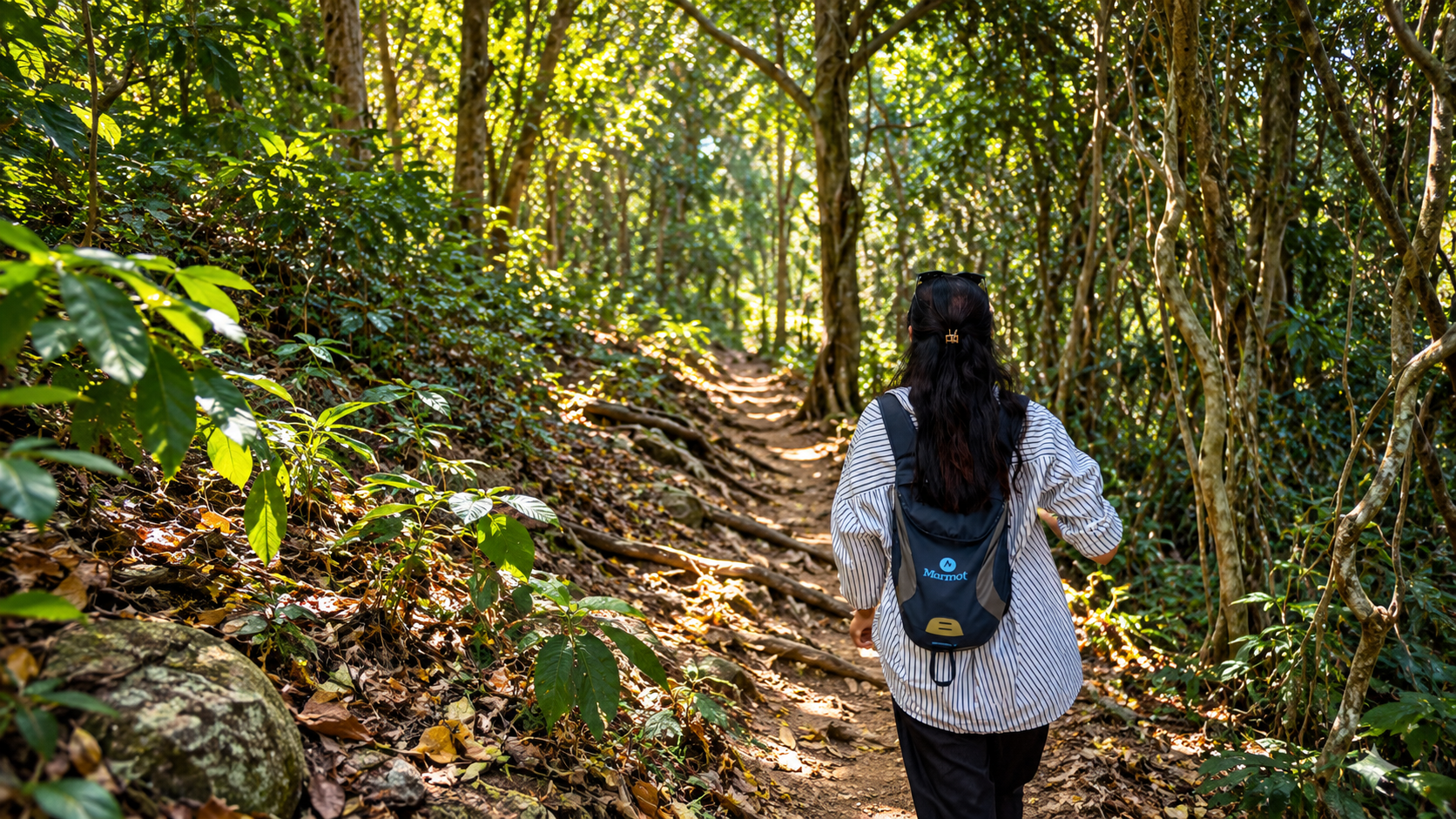
One of my favorite examples happened when Kea and I decided to hike toward an observation tower in Kep National Park.
Near the beginning of the hike was a sign warning hikers about venomous snakes found in Cambodia.
And this wasn't a little sign that simply said:
Beware of snakes.
No.
It showed you the snakes.
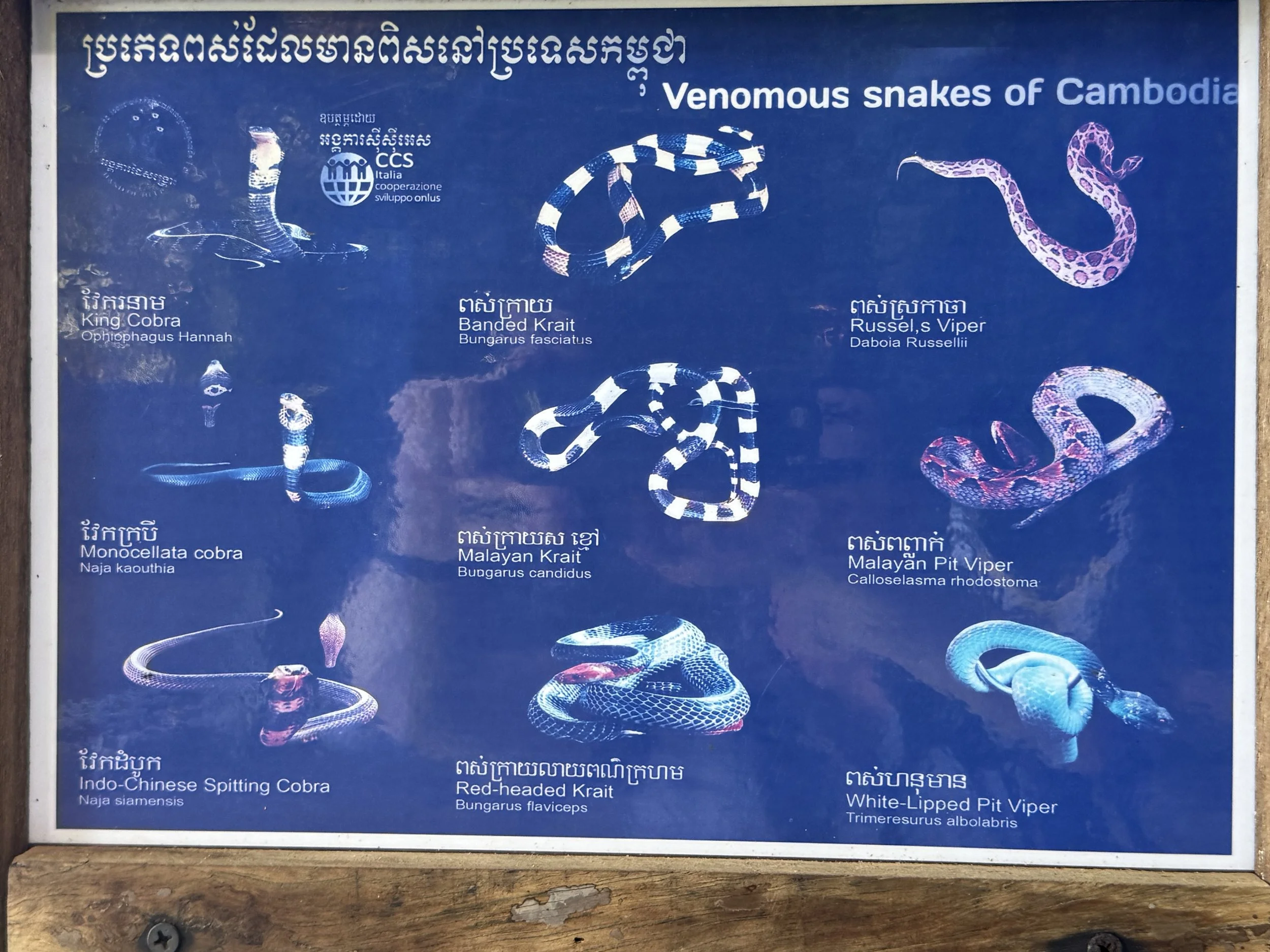
he sign featured nine venomous snakes, including several cobras, kraits, and pit vipers
Cobras. Kraits. Pit vipers. King cobras. Monocled cobras. Spitting cobras.
Enough venomous snakes that I started questioning just how badly I needed to see this observation tower.
So there I was—a lifelong outdoorsman—wearing sandals and carefully tiptoeing through the leaves, examining every suspicious-looking stick and wondering what might be underneath the next pile of vegetation.
Meanwhile, Kea just kept walking.
No drama.
No apparent concern.
Just another walk in Cambodia.
Then Kea Told Me About Her Childhood
There may be a good reason snakes don't impress Kea quite as much as they impress me.
She grew up around Tonle Sap in a floating village.
Some of the stories she tells me about her childhood are difficult for an American kid to imagine.
She remembers green pit vipers getting into the house and occasionally curling up among clothing in her bedroom.
Think about that.
I grew up learning about wildlife and eventually became an avid outdoorsman.
Kea grew up in an environment where checking around the house for a venomous snake could simply be part of life.
She also remembers crocodiles in the waters around the area where she lived.
These weren't animals she traveled somewhere to see.
They were part of the environment around her home.
Suddenly our hike through Kep National Park made more sense.
I'm studying every leaf.
Kea is walking ahead like we're taking a stroll through the neighborhood.
And maybe, in a way, she is.
Living here has reinforced one of the most important lessons I've ever learned outdoors:
Never assume that being experienced in one environment makes you an expert in another.
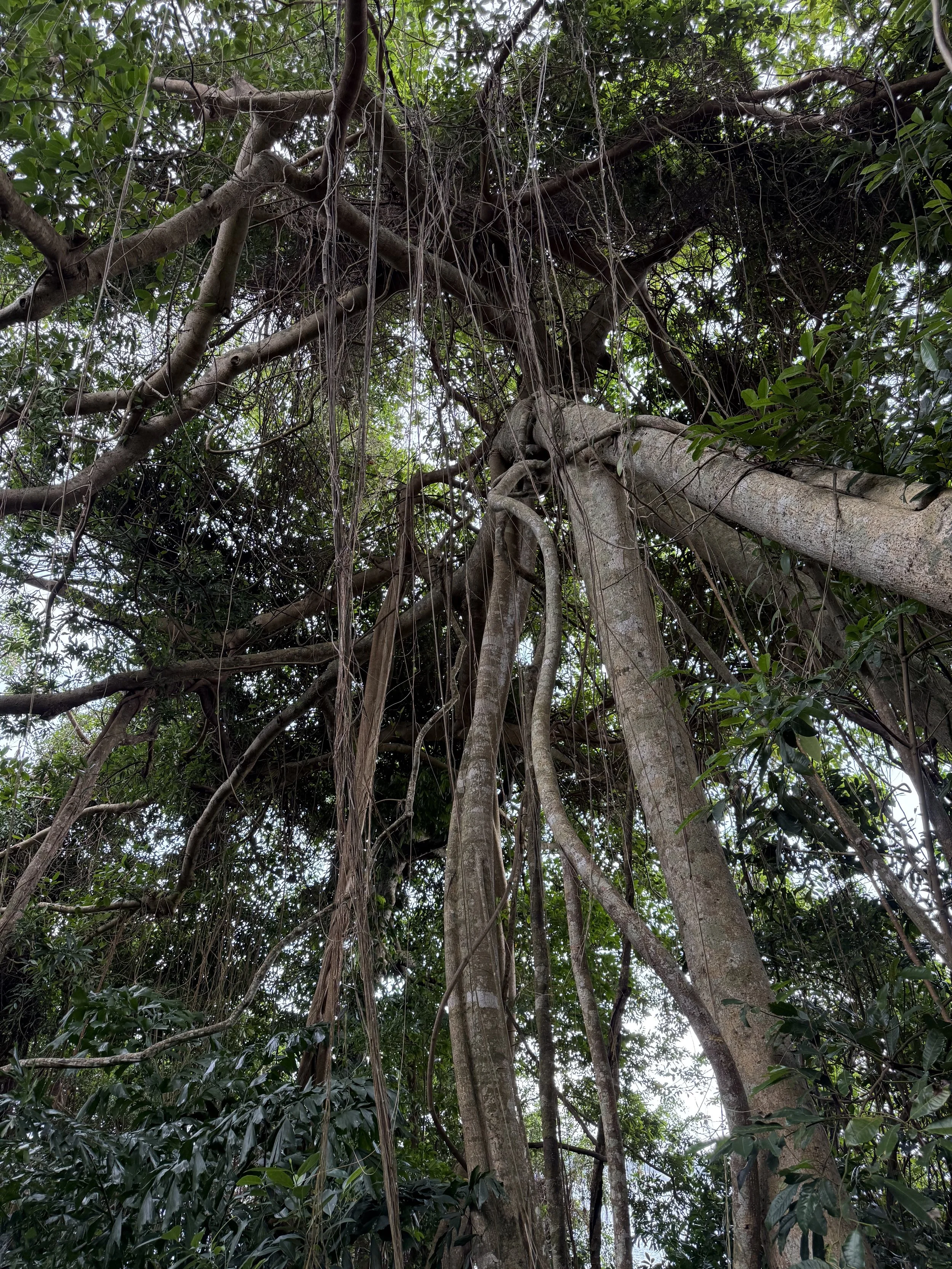
The dense tropical vegetation of Kep National Park was a reminder that Cambodia's wilderness was unlike anything I'd experienced back home
Sometimes Cambodia Comes Inside
You don't necessarily have to go hiking to encounter Cambodia's wildlife.
Sometimes Cambodia comes to you.
We currently live in a house in Kep that costs about $350 a month.
And yes—you really can rent a house in Cambodia for that kind of money.
But there's something the "Live in Southeast Asia for Almost Nothing!" videos don't always explain.
A $350 Cambodian house probably isn't going to provide the same living environment as a modern American house.
Our current house is designed for natural ventilation. There are openings near the ceiling to allow air to circulate. Most of the house isn't air-conditioned.
And there are no screens on the windows.
There may be bars across a window, but when that window is open, it's essentially open to Cambodia.
Mosquitoes.
Moths.
Ants.
Spiders.
Geckos.
And apparently, occasionally, snakes.
We once discovered a shed snakeskin in our upstairs bathroom.
We never actually saw the snake, so I'm not going to pretend I can identify it. We had our suspicions about what it might have been.
I'll leave the identification to the snake.
Let's just say finding a snakeskin in your bathroom changes the way you approach a two-o'clock-in-the-morning trip to the toilet.
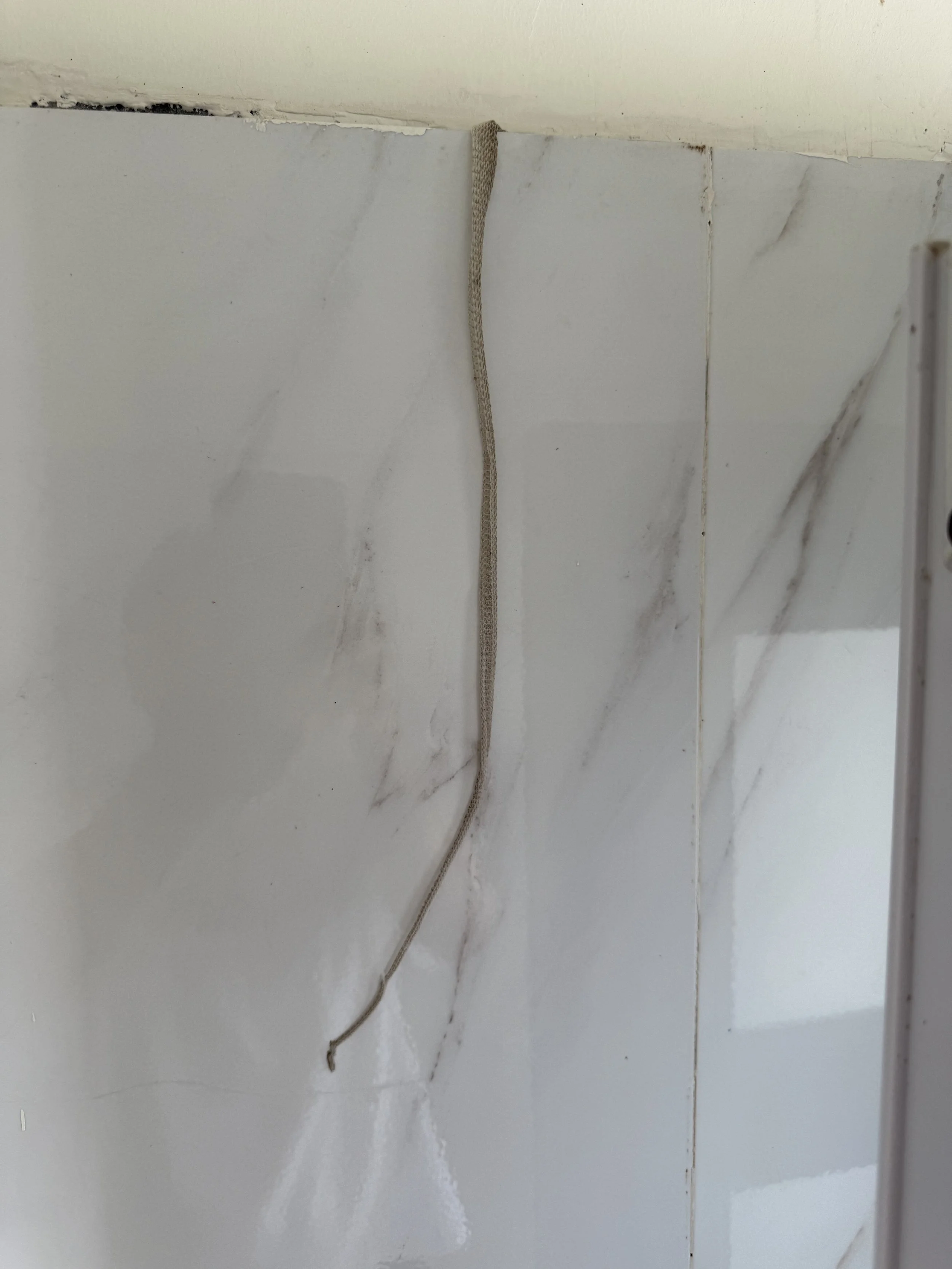
A snakeskin we found in our bathroom.
The Spider in My Bedroom
Then there was the huntsman—or what appeared to be one.
By North American standards, this thing looked enormous.
And it bit me on the wrist.
Afterward, I experienced swelling in both wrists along with soreness and some swelling around my ankles and knees. I can't medically establish that every one of those symptoms was caused by the spider, but they followed the encounter and certainly got my attention.
More importantly, it made me investigate how these things were getting into our bedroom.
There were gaps beneath portions of the window frames.
So I started sealing them.
I stuffed openings, paid much more attention to possible insect entry points and began treating appropriate areas around the windows for insects according to the products' directions.
Living in the tropics apparently includes renegotiating the borders of your bedroom.
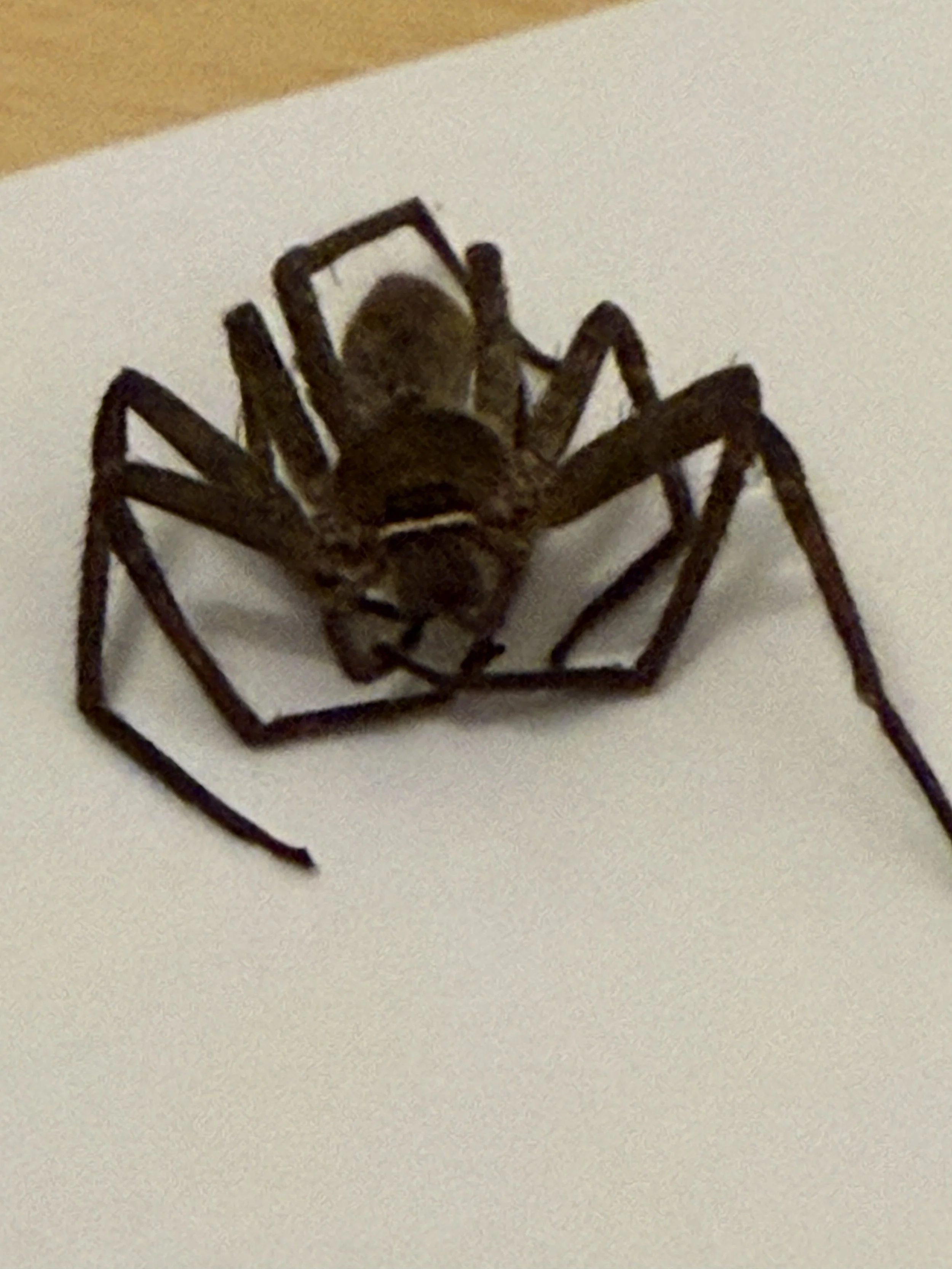
The spider that was crawling in my bed. I believe this is the one that bit me.
The Tokay Night Shift
Small geckos barely get my attention anymore.
They're everywhere.
But then there are the Tokay geckos.
These things are big.
And loud.
Very loud.
The first time you hear one calling at night, "gecko" isn't necessarily what comes to mind.
Something closer to:
What the hell is screaming outside my window?
And sometimes it isn't outside.
That's what happens when you need airflow but don't have screens.
You'll get up in the middle of the night and find something running across the floor.
Or hanging from the ceiling.
Or making a noise you've never heard before.
Sometimes you investigate.
Sometimes you decide that whatever it is can have the living room until morning.
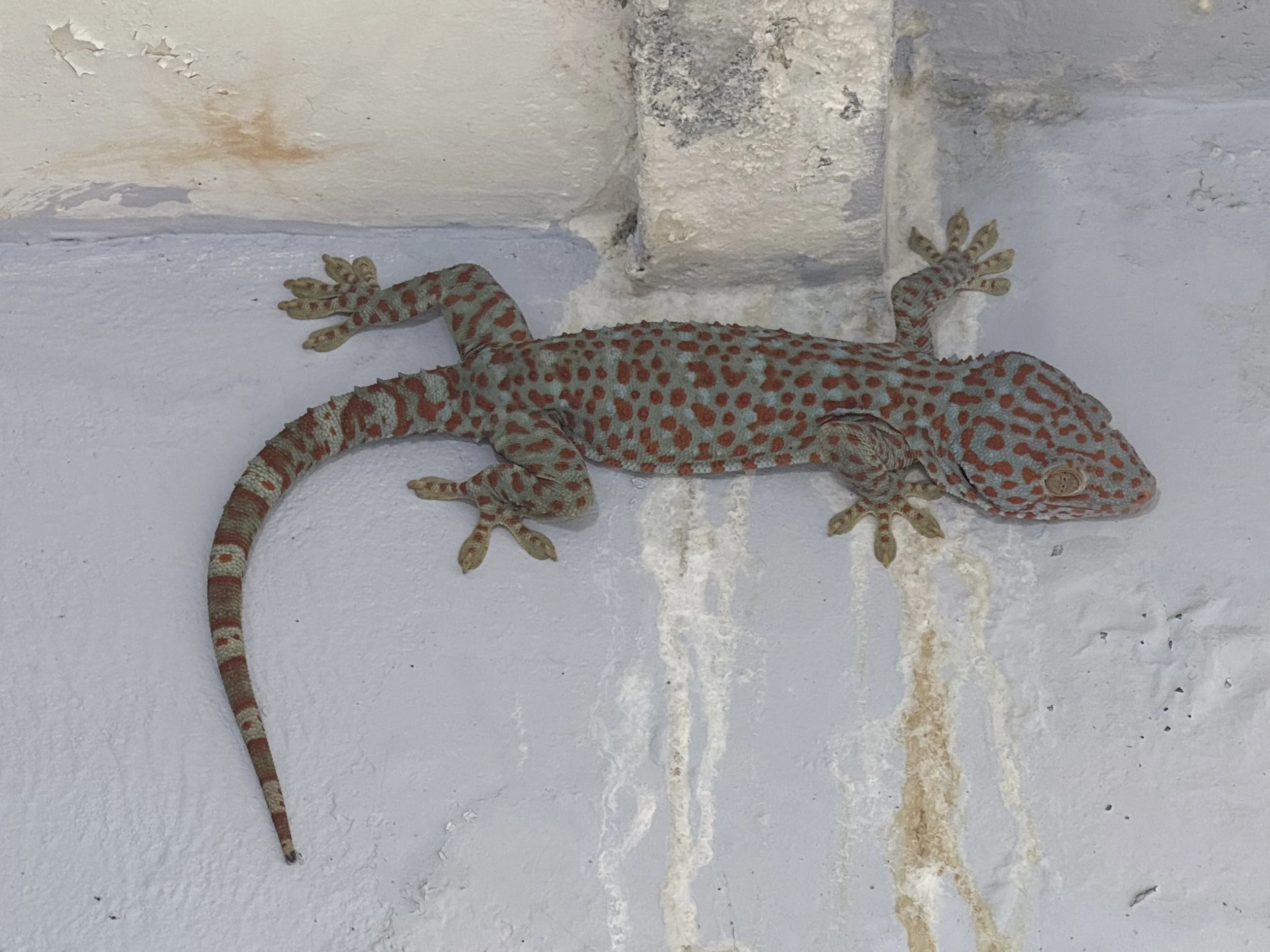
Tokay Gecko.
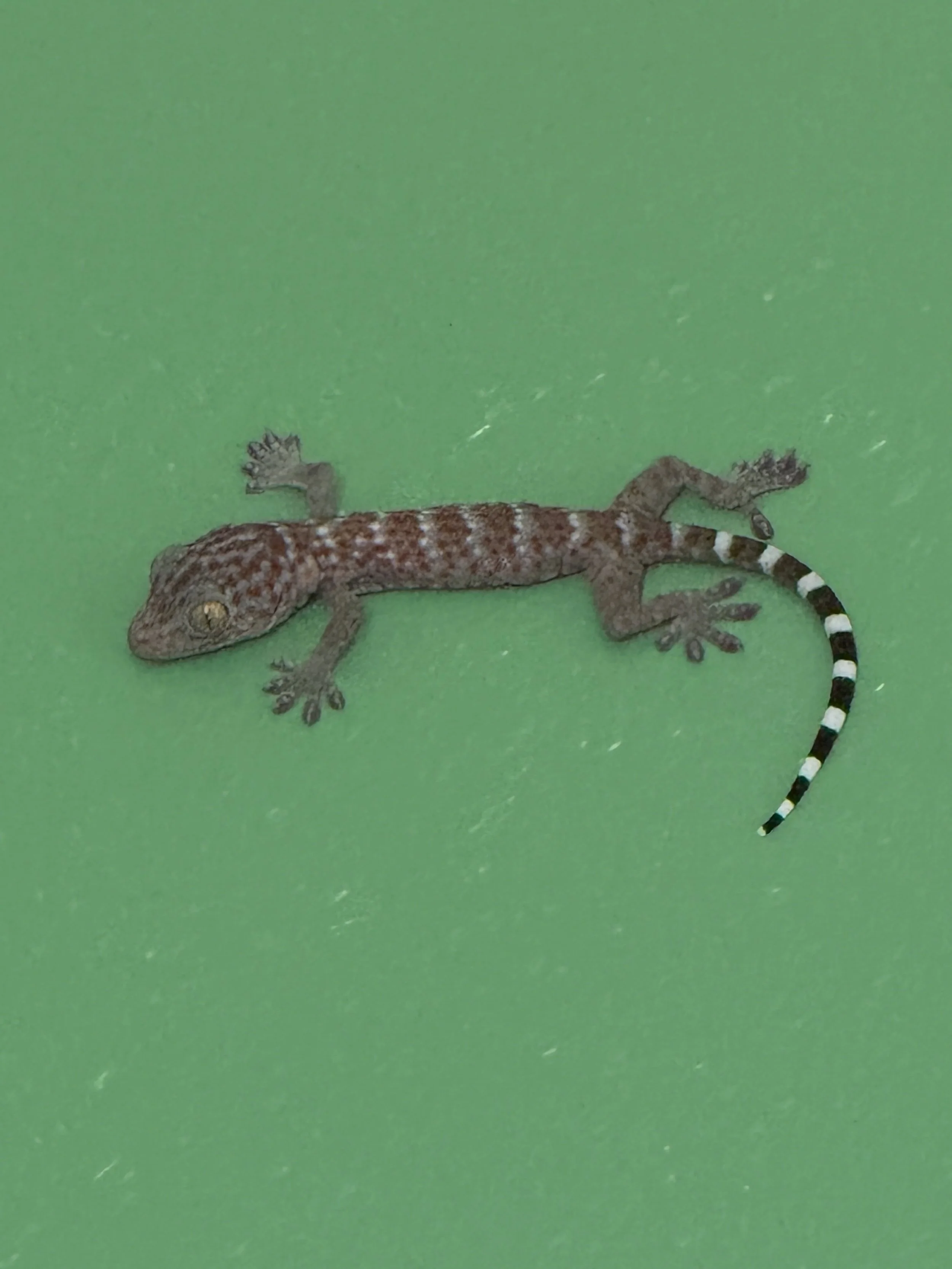
Another fine example of a gecko which found its way into our home.
Then the Roosters Take Over
Just when the Tokays finally settle down and you think you're going to get some sleep, Cambodia's morning shift reports for duty.
The roosters.
Apparently nobody has informed Cambodian roosters that they're supposed to wait until sunrise.
Four o'clock in the morning?
Perfectly acceptable.
Chickens and roosters wander freely all over the place. You'll see them beside roads, around houses and wandering through yards.
When I first arrived, hearing a rooster crow in the morning seemed charming.
I'm living in Cambodia. How cool is this?
After you've been awakened at 4:00 a.m. enough times, some of that romance wears off.
Cambodia doesn't always wake up gently.
Sometimes a Tokay screams at you half the night and then sends in a rooster to finish the job.
The Tiny Things May Be the Biggest Adjustment
The dramatic animals make the best stories.
The tiny ones affect everyday life.
Take ants.
We have cats, and we've learned that you cannot simply leave their food sitting on the floor indefinitely.
The ants will find it.
They'll come underneath the door, discover the bowl and before you know it, the food can be covered with them.
At that point, it's garbage.
It has changed how we keep the house.
Crumbs get cleaned up. Food doesn't sit around. Cat food gets picked up.
In a tropical environment, cleanliness isn't simply about making the house look nice.
It's pest control.
Leave a food source available and eventually something is going to find it.
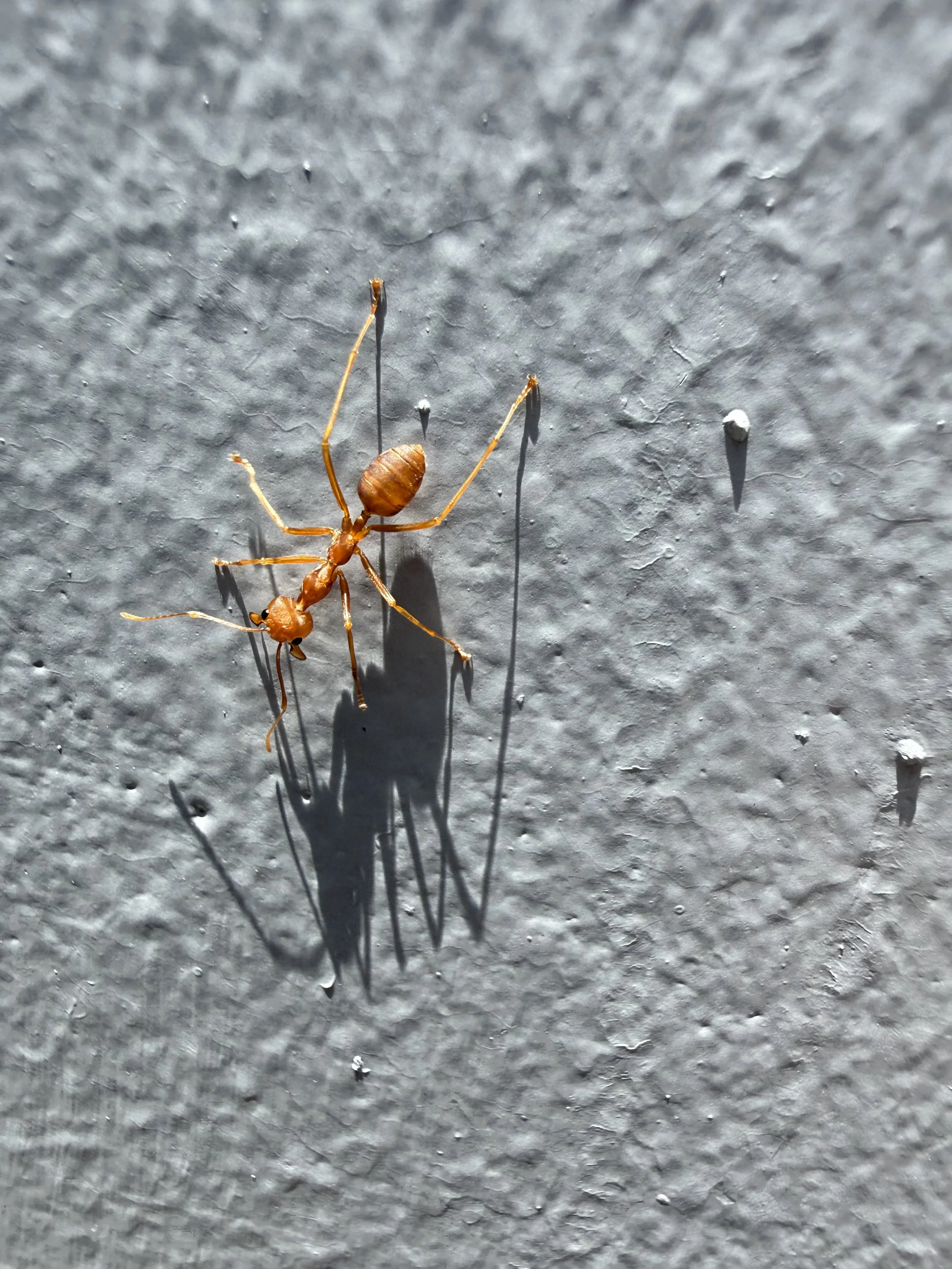
The culprit……the Weaver ant.
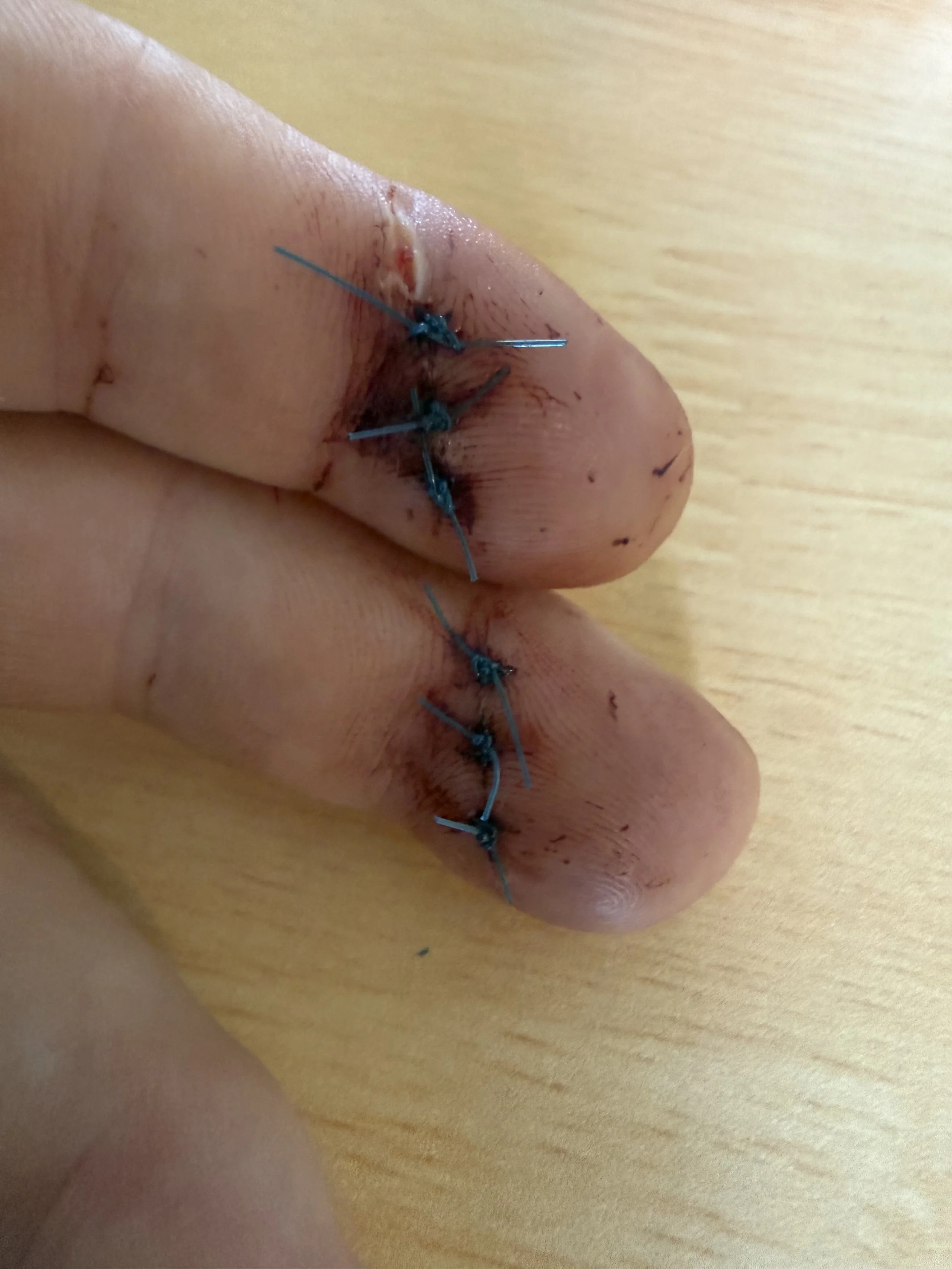
A visit to the ER. Two veins severed. Six stitches on the outside, two on the inside.
The Weaver Ants Taught Me That the Hard Way
My most memorable encounter with ants didn't involve cat food.
It involved a knife.
I was using one when weaver ants started biting me. I reacted instinctively and jerked my hand.
The ants weren't the thing that caused the serious injury.
My reaction was.
I sliced my fingers badly enough that I needed stitches.
That experience eventually introduced me to another adventure entirely:
the Cambodian healthcare system.
But that deserves an article of its own.
Mosquitoes: My Daily Battle
Of everything I've encountered here, mosquitoes are probably the most persistent.
If I go outside without repellent, I get covered in bites.
I've learned.
I brought repellents containing picaridin and DEET from the United States, and using them has become part of everyday life.
Before moving here, I also treated some of my clothing with permethrin. I carry treated gear, including a handkerchief I sometimes wear around my neck when I'm outside.
That might sound excessive back home.
It doesn't feel excessive here.
Mosquitoes aren't simply annoying in Cambodia. Mosquito-borne illnesses such as dengue are something you need to take seriously. Malaria is also a concern in certain parts of Cambodia, particularly some rural and forested areas.
So I've developed a simple routine.
Water. Sunscreen. Bug spray.
Forget one and Cambodia has a way of reminding you.
And Then It Rains
When I say it rains during Cambodia's monsoon season, I'm not talking about an afternoon shower.
It pours.
And sometimes it just keeps raining and raining.
Everything becomes saturated.
The yard gets muddy. Water collects. Roads can flood.
Your clothes don't dry.
Your towels don't dry.
Eventually things start developing that unmistakable musty, mildewy smell.
Back in the United States, I thought of air conditioning primarily as something that made me cooler.
Cambodia has taught me that sometimes I just want the air to be dry.
But the rain does something else.
It moves things.
Torrential rain during monsoon season while eating lunch at a restaurant in Kampot, Cambodia.
When Everything Wants to Come Inside
When the ground becomes saturated, insects start searching for shelter.
Ants appear inside.
Other insects find their way through openings.
Geckos follow the insects—or simply decide that inside is a better place to wait out the storm.
Heavy rain and flooding can also displace snakes from burrows, ground cover and other hiding places.
You think of rain as weather.
Here, I've learned that rain can change where the wildlife is.
The ants move.
The insects move.
The geckos move.
The snakes move.
And when you're living in a house designed for airflow, with unscreened windows and gaps around doors and windows, some of that movement seems inevitably to be toward you.
The rain brings the moisture.
The moisture makes it difficult for things to dry.
The rain pushes insects toward shelter.
The insects attract other creatures.
And somehow, eventually, everybody ends up in my house.
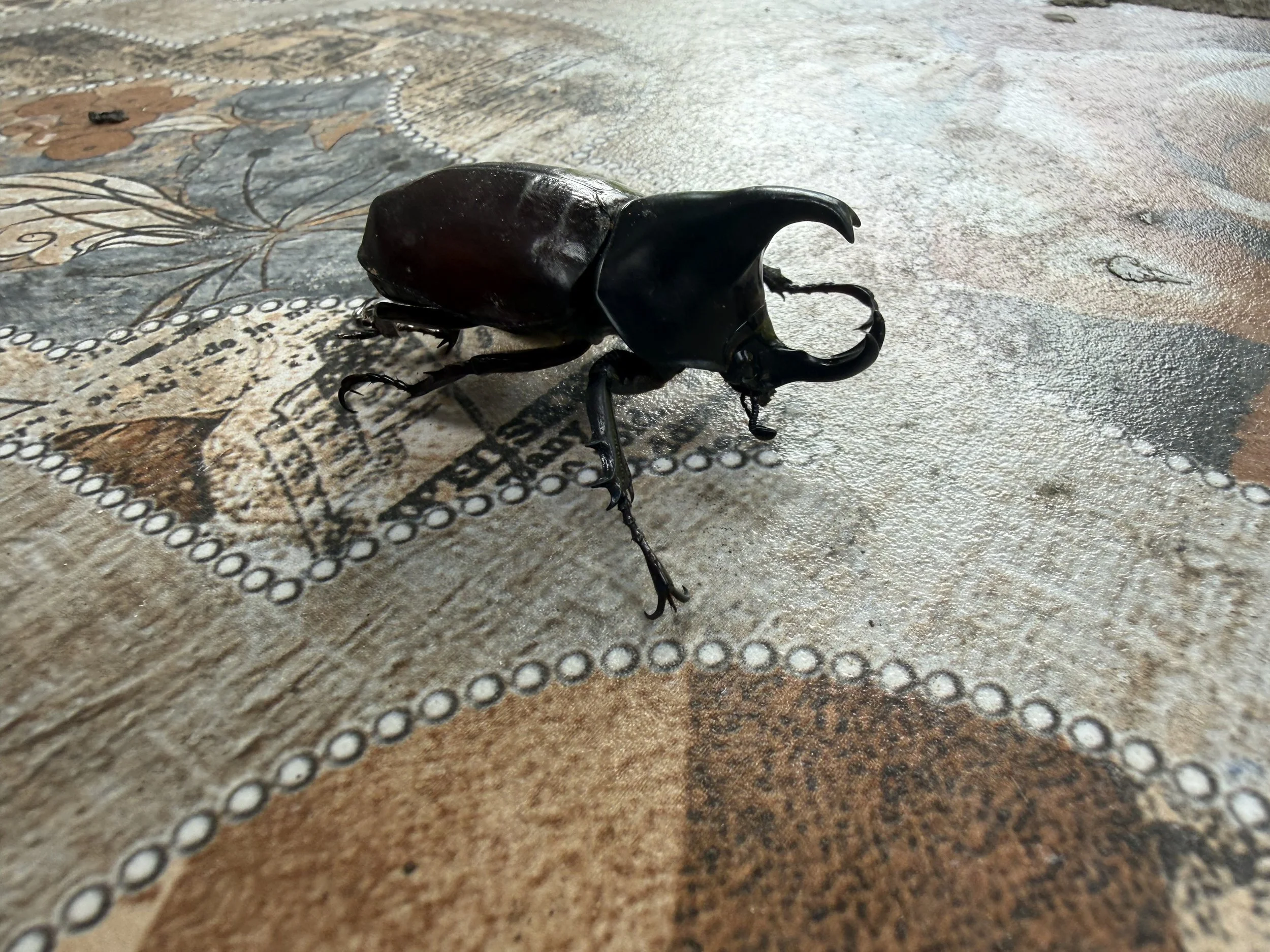
Dung Beetle on my steps
Don't Forget the Cows
Not everything you have to watch out for bites, stings or crawls into your bedroom.
Sometimes it's a cow.
Around Kep, large humped cattle are a common sight.
During the day, they're pretty difficult to miss.
At night?
Different story.
Driving after dark requires attention because you never quite know what may be standing in the road ahead.
Dogs. Motorbikes. Pedestrians.
And cows.
A large cow suddenly appearing in your headlights isn't the wildlife encounter you want.
They're also perfectly happy to wander into the yard if you leave the gate open and discover that you've thoughtfully provided a buffet of landscaping.
So we've learned another rule of Cambodian life:
Close the gate.
Not because we're worried about crime.
Apparently the landscaping is delicious.
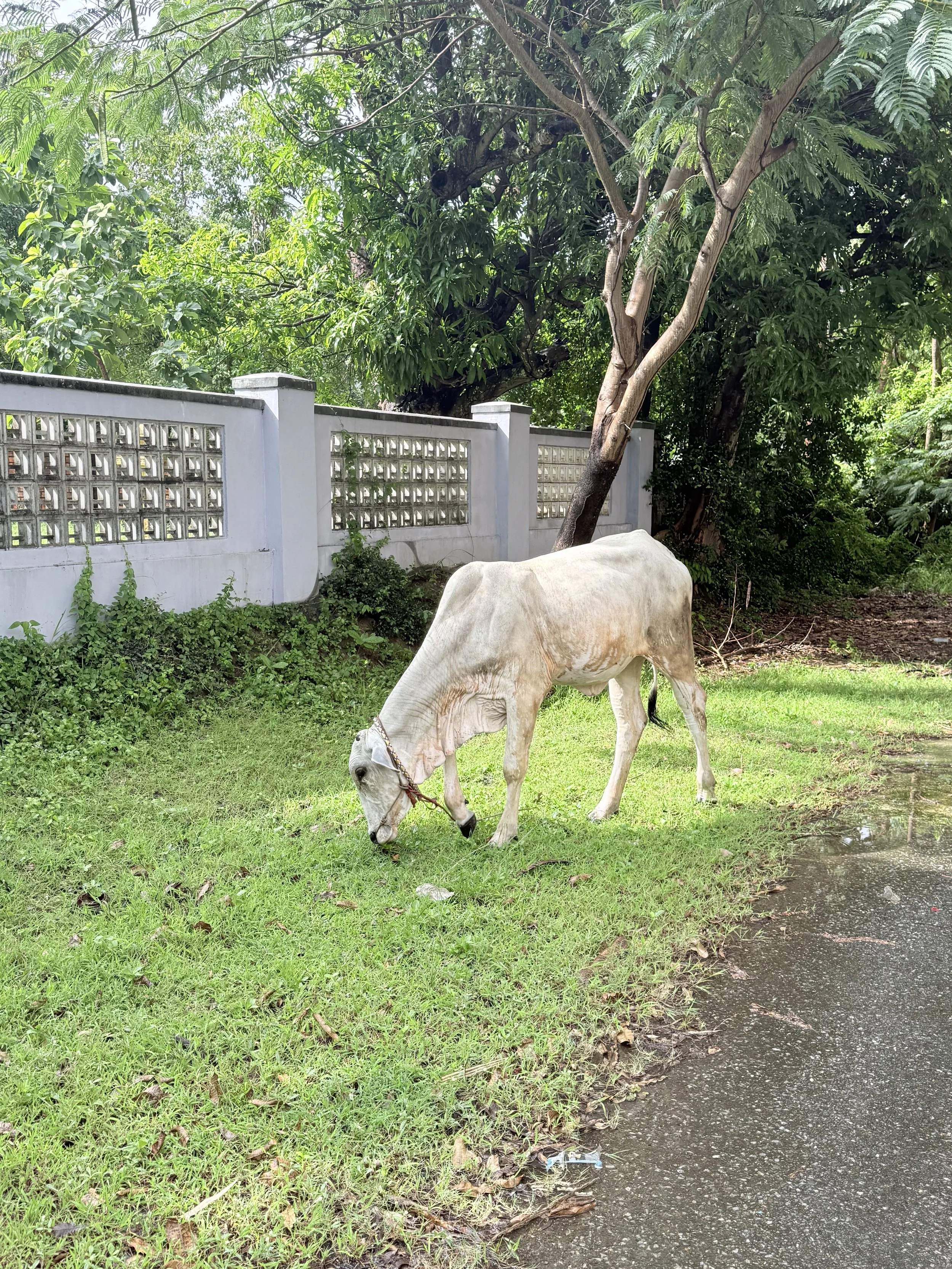
Brahma cows roam freely about the streets.
Your Stomach Has to Adjust Too
Not every environmental lesson involves an animal.
Food and sanitation can be different from what many travelers from the United States are accustomed to, and I discovered that during my very first trip to Cambodia.
I became extremely sick.
For about seven days, I experienced severe vomiting and diarrhea. There were times when I could barely get out of bed.
Kea took care of me through it.
I can't tell you exactly what caused the illness, so I'm not going to blame a particular restaurant, meal or glass of water.
But I'll never forget it.
It taught me to pay much closer attention to food handling, refrigeration, ice, drinking water and basic hygiene.
And here's one rule I personally don't compromise on:
Don't drink the tap water.
At home, at a restaurant, at a hotel—anywhere in Cambodia—I stick with sealed bottled water or properly filtered or purified water for drinking.
If you're visiting Cambodia, don't assume that because you're staying in a nice hotel or eating at an upscale restaurant that the water coming directly from the tap should be treated the same way you might treat municipal drinking water back home.
And remember that water doesn't only come in a glass.
Think about ice.
Drinks mixed with water.
Fresh produce that may have been washed in water.
And even the water you use when brushing your teeth.
When I'm uncertain about the source, I err on the side of caution.
There's another reason this matters so much here.
Dehydration.
If you develop severe vomiting or diarrhea in a tropical climate, you're not only losing fluids and electrolytes from being sick. You're also dealing with Cambodia's heat and humidity.
That combination can get serious quickly.
My first trip taught me that lesson rather dramatically.
Seven days in bed wasn't exactly the introduction to Cambodia I had planned.
But it was an effective one.
I learned very quickly that in the tropics, what you drink can be every bit as important as how much you drink.
For me:
Bottled or properly filtered water. Every time.
The Heat Is Relentless
Then there's the thing you can't swat, spray, seal outside or chase out of the bedroom.
The heat.
Combine tropical temperatures with high humidity and even simple activities can take more out of you than you expect.
You sweat constantly.
You need more fluids.
The sun is intense.
Skin stays damp.
Heat rash and fungal skin problems become things you actually think about.
And dehydration can sneak up on you surprisingly quickly.
That's why my mental checklist has become so simple:
Water. Sunscreen. Bug spray.
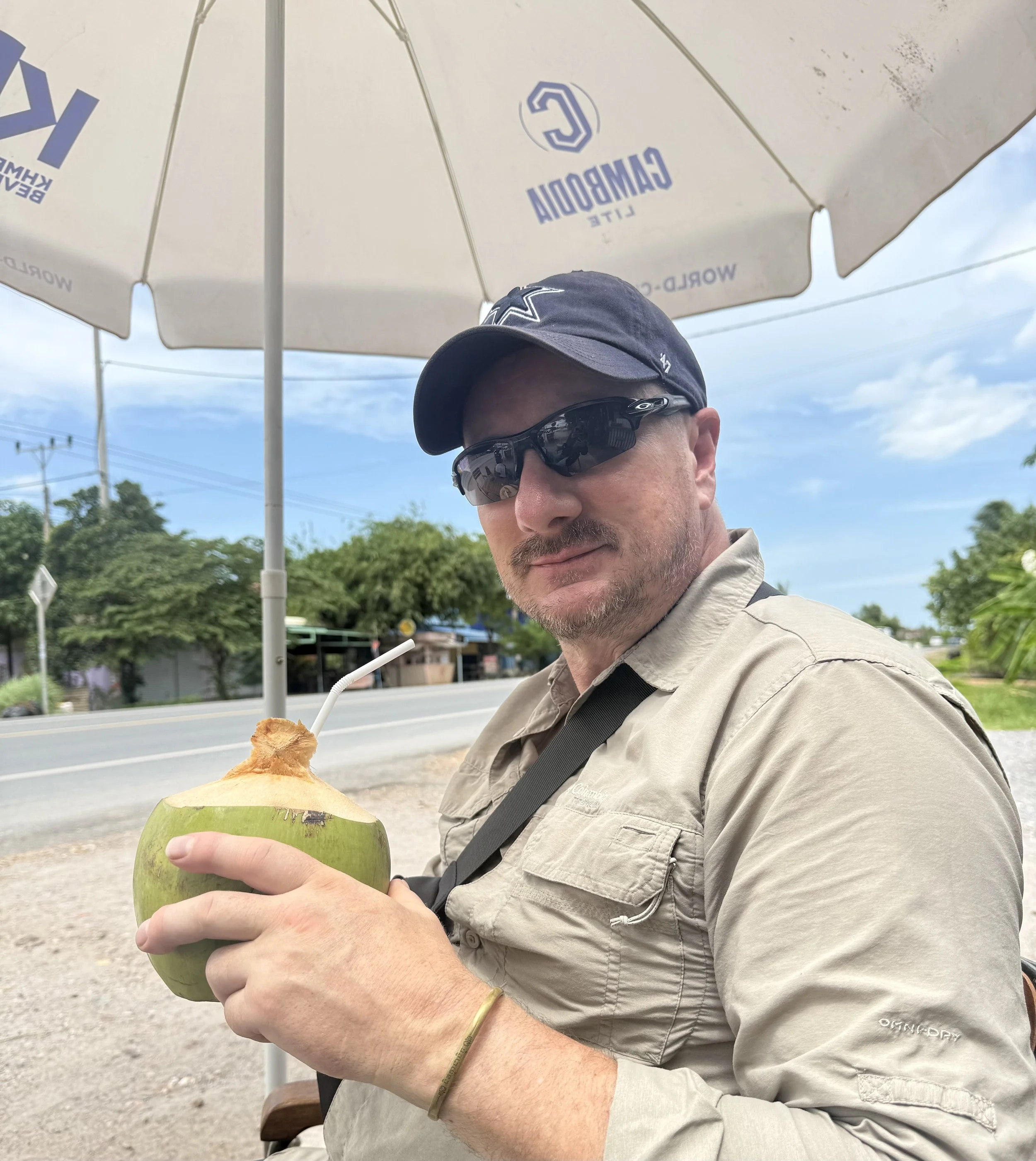
Taking a refreshing coconut-water break at a roadside stand. In Cambodia's tropical heat, staying hydrated is part of everyday life
It Changed How I Think About My Uncle
Living here has also made me think about my uncle.
He spent a year in Vietnam during the war in the 5th Regiment Mobile Riverine Force.
I would never compare my life in Cambodia to what he experienced in combat. They're not remotely the same thing.
But living in this climate has given me an appreciation for one small part of his experience that I never really understood before.
The environment itself can be relentless.
The heat.
The humidity.
The rain.
The mud.
The insects.
The mosquitoes.
Rashes. Wet clothing. Disease.
Imagine dealing with all of that while living in the jungle.
Then add a war.
I understand something about his experience now that I didn't understand before I came here.
The jungle itself must have been an adversary.
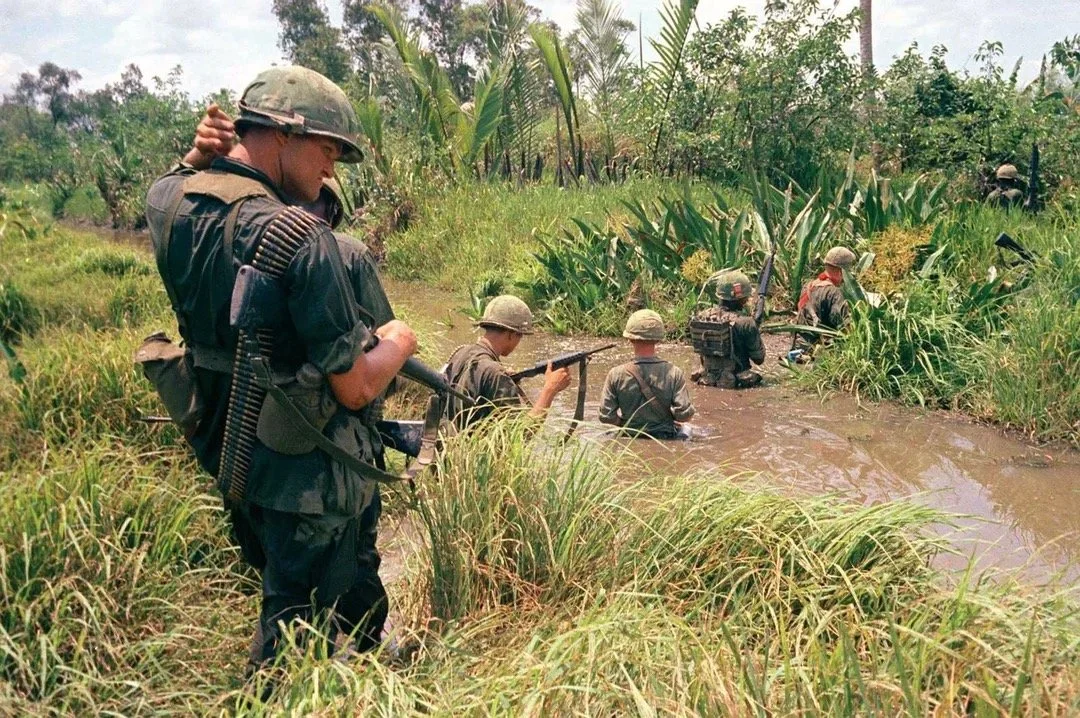
9th Infantry Division Mekong Delta in Vietnam. 1967
Sometimes Staying on the Trail Really Matters
There's another Cambodian hazard worth mentioning that has nothing to do with wildlife.
Landmines and unexploded ordnance remain a legacy of decades of conflict in parts of Cambodia.
Kep itself has been declared mine-free, so I'm certainly not suggesting that tourists should expect landmines while hiking around Kep National Park.
But elsewhere in Cambodia, particularly in historically affected rural and remote areas, mines and unexploded ordnance remain a legitimate concern.
The lesson for travelers is simple.
Follow local guidance.
Stay on established routes in affected areas.
Use local guides where they're recommended.
And never touch unfamiliar ordnance or pieces of metal you encounter in remote areas.
Sometimes staying on the trail isn't merely about avoiding snakes.
Yes, You Can Rent in Cambodia for $350 a Month
All of this brings me back to something I think prospective expats need to understand.
Yes.
You can live very inexpensively in Cambodia.
Our current house costs about $350 a month.
But when someone tells you that you can rent a Cambodian house for $300 or $350, ask another question:
What kind of house?
If you want a more traditional Cambodian home and you're comfortable living closer to the environment, there are remarkably inexpensive options.
Natural ventilation.
Openings around the house.
Few or no window screens.
Limited air conditioning.
Higher indoor humidity.
And occasionally some uninvited roommates.
If you want tightly sealed windows and doors, air conditioning throughout, better moisture control and construction closer to what you're accustomed to in North America or Europe, you're probably going to pay considerably more.
It may still be inexpensive compared with equivalent housing in parts of the West.
But it isn't necessarily going to be $350.
We're about to find out just how significant that difference is.
We're moving into a much more modern house with air conditioning throughout, better windows and, hopefully, considerably greater control over humidity and insects.
I'm interested to see what changes.
I'm also interested to see whether the geckos get our forwarding address.
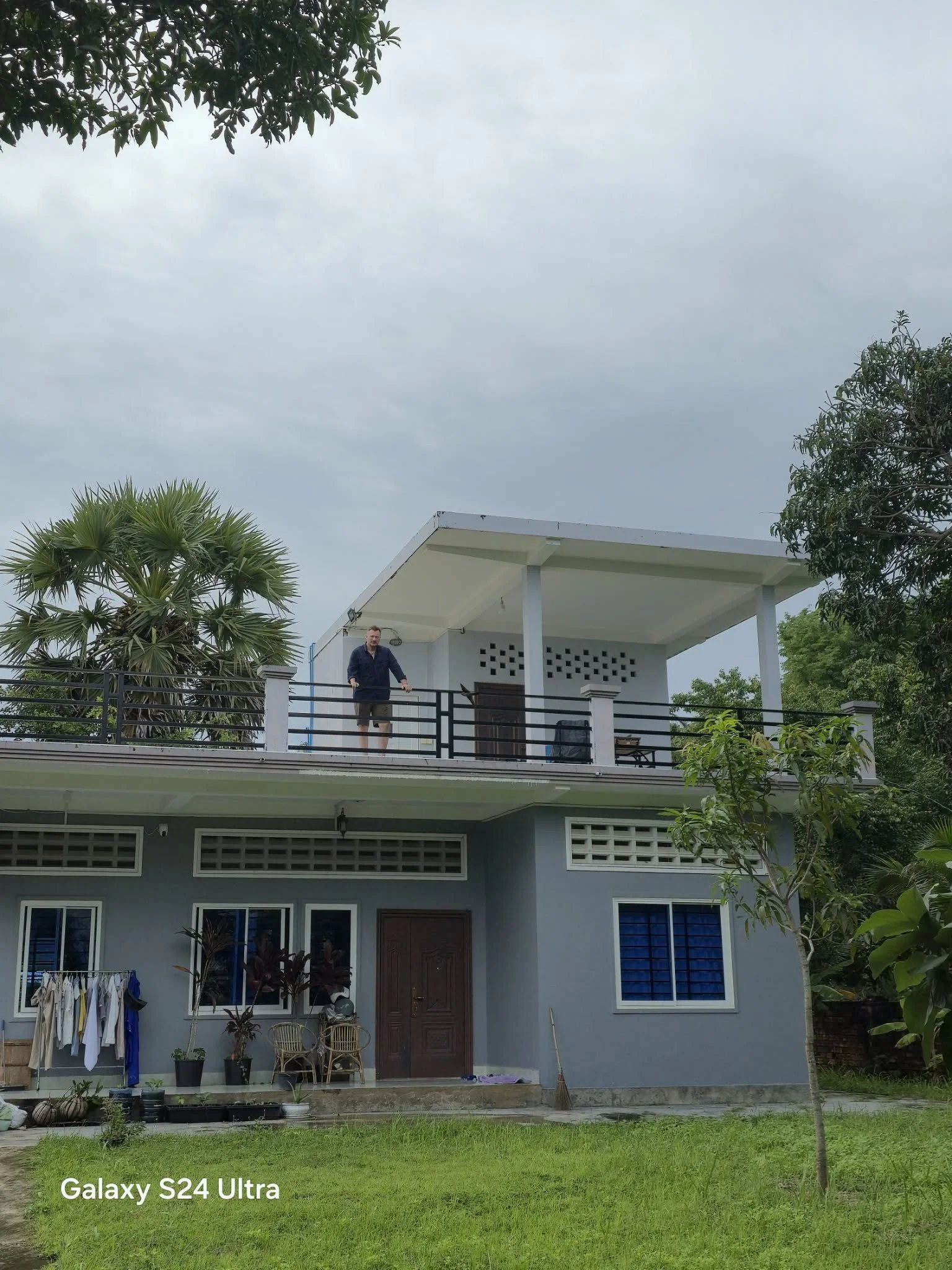
A typical $350 Khmer house for rent.
Would I Trade It?
After everything I've just written, you might think I'm trying to talk people out of coming to Cambodia.
I'm not.
Quite the opposite.
I love living here.
The point isn't that Cambodia is frightening or dangerous.
The point is that Cambodia deserves respect.
Living in the tropics requires adjustment.
I've learned to use mosquito repellent religiously.
I've learned not to leave the cats' food sitting around.
I've learned to seal gaps around windows.
I've learned that a pile of leaves deserves a little more attention than it used to.
I've learned to watch for cows at night.
I've learned that when the monsoon comes, everything looks for someplace dry.
I've learned that being an experienced outdoorsman doesn't mean I automatically understand an environment on the other side of the world.
And I've learned to close the gate.
Living here has made me more observant and more adaptable.
Most of all, it has reminded me why I came to Cambodia in the first place.
I didn't move halfway around the world because I wanted my old life with palm trees.
I came because I wanted to live differently.
Well...
Different has definitely arrived.
And occasionally, it screams at me from the ceiling at two o'clock in the morning.
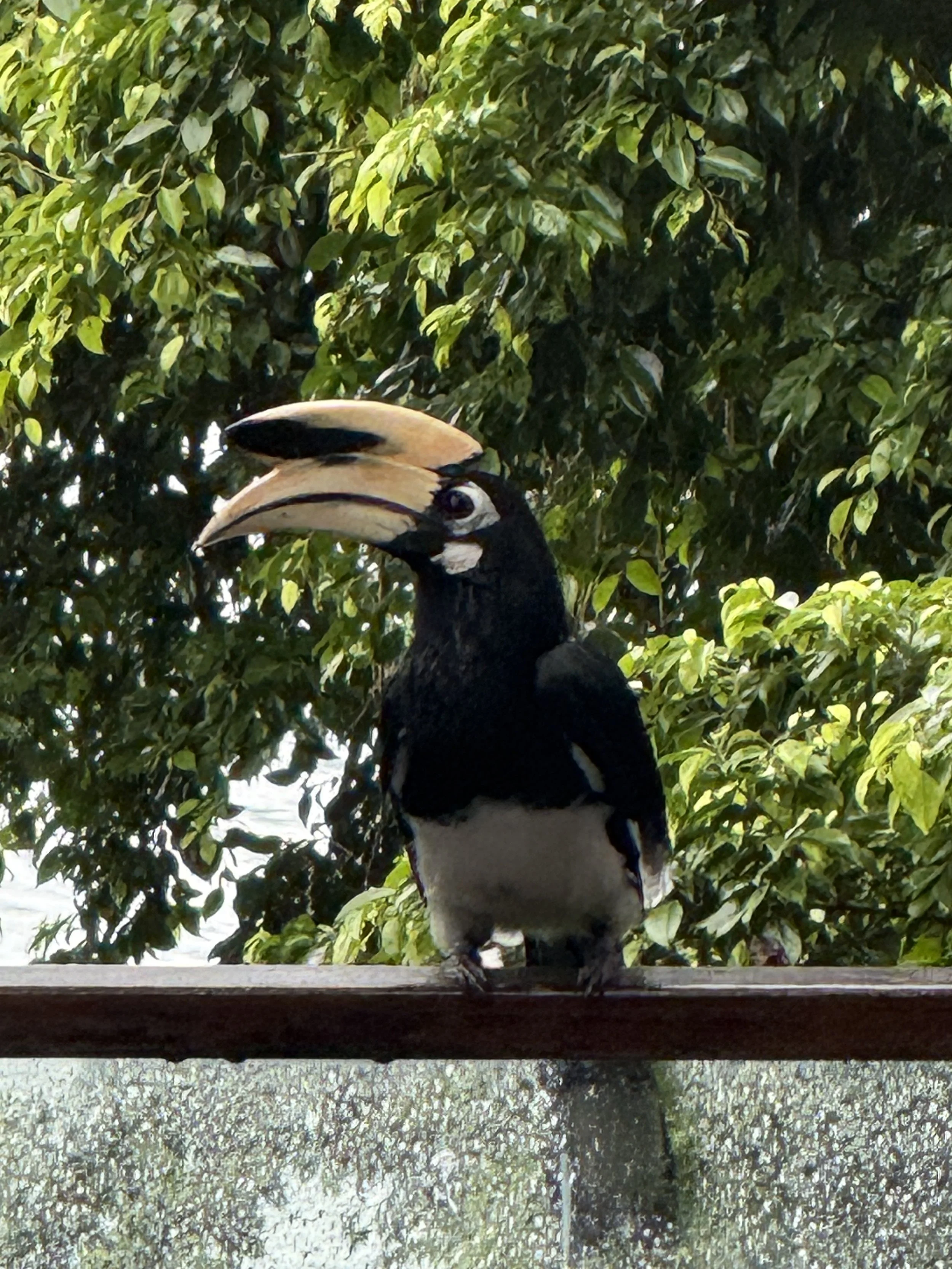
Oriental Pied Hornbill paying us a visit.
Interested in learning more about my journey? Read how I decided to move to Cambodia at 55, and discover why I chose the quiet seaside town of Kep as my new home